
Can’t go to work, need to be tested, how do I get paid?
I can’t go to work because of COVID-19 – What now?
Employees can’t go to work if they need to quarantine or self-isolate, for example, because they:
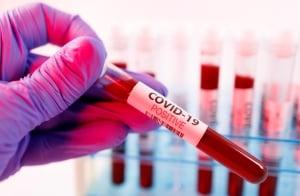
- have been diagnosed with coronavirus
- have been in close contact with someone who has been diagnosed with coronavirus
- need to get tested or are waiting for a coronavirus test result
- are prohibited from leaving their home because of an enforceable government direction, or
- have arrived from overseas or interstate and need to self-isolate because of an enforceable government direction.
If an employee can’t work because they have to quarantine or self-isolate, they should contact their employer immediately to discuss:
Leave Options
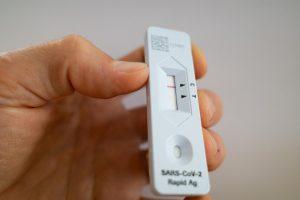
I have to get a COVID Test
Some public health orders can require certain employees to be tested. Employees and employers have to comply with public health orders. An employer may in certain circumstances be required to direct an employee to get tested to comply with obligations under a work health and safety law.
Where there is no requirement under a public health order, work health and safety law, registered agreement or employment contract, an employer may still be able to direct an employee to get tested in some circumstances. Requirements, or directions, need to be lawful and reasonable.
If an employee is required to get tested for COVID-19 by their employer (but it isn’t required under a public health order), they’re entitled to get tested on work time and be paid for the time as if they had worked.
An employee usually isn’t entitled to be paid for time spent getting a COVID-19 test if it is to comply with a public health order or if they’re getting tested at their own discretion, unless they take paid leave.
Full-time and part-time employees may be able to take paid sick leave if they’re unable to work at the time of being tested because they’re sick or injured. The usual rules about giving notice and evidence to their employer apply.
If paid sick leave isn’t available, employees can discuss other arrangements with their employer. These could possibly include:
The Australian Government and some Australian states are providing payments to some workers during coronavirus, including when they need to get tested and isolate until they have a negative result. Refer to Extranet location X for further information about available Government payments and eligibility criteria.
I’m unwell or caring for a member of my immediate family/household who is unwell
Employees are be able to use paid or unpaid carer’s leave to care for a family member or a member of their household who’s sick with COVID-19. Carer’s leave may also be available if there’s an unexpected emergency.
Employees who have COVID-19 must not attend the workplace. They are required to isolate and can’t go to work until they are formally released.
Any sick employee should let their employer know about their situation as soon as possible.
Full-time and part-time employees can take paid sick leave if they can’t work because they’re sick with coronavirus. If they have no paid sick leave left, they should arrange with their employer to take some other type of paid or unpaid leave.
I have to quarantine or self-isolate
Under the National Employment Standards, employees are entitled to take paid sick leave if they can’t work because of a personal illness or injury. If an employee is well but is either awiaiting test results, in self-isolation and/or quarantine, this does not meet the requirements to access paid sick leave.
An employee who is required to quarantine or self-isolate because of an enforceable government direction should contact their employer to discuss leave options or flexible working arrangements. This could include:
- annual leave
- sick and carer’s leave (if caring for a immediate family member who is unwell)
- unpaid leave and other paid leave
An employee who is on, or decides to take, annual leave during a quarantine or self-isolation period can instead take their accrued sick leave if they become ill or injured. The usual rules for taking sick leave apply including:
- letting their employer know as soon as possible
- providing evidence (if required by the employer).
Flexible working options
All working from home (WFH) requests are subject to Executive approval. Refer to the FSPH WFH Agreement and Procedure in addition to the Extranet for further information on the approval process and specifics of WFH arrangements.
I have a health condition or a household member with a health condition and want to stay home as a precaution
Some employees may want to stay at home as a precaution. We encourage employees to discuss their level of risk of contracting coronavirus with their doctor.
Employees who haven’t been directed to stay home by either their employer or because of an enforceable government direction will need come to an arrangement with their employer.
This could include requesting to work from home (if this is a safe and reasonably practical option) or taking some form of leave, such as annual leave or long service leave. Normal leave application processes still apply.
If an employee doesn’t come to an arrangement to work from home with their employer, or doesn’t use paid leave, then they aren’t entitled to be paid for choosing not to work.